What causes mechanical seals to wear out early?
Mechanical seals wear out early mainly because of shaft misalignment, vibration, dry running, contamination, and incorrect installation. These conditions disturb the thin lubricating film between the seal faces, which causes friction, heat, and accelerated face damage. Fixing the cause matters more than swapping the seal.
The most common mechanical seal failure causes include:
- Shaft misalignment: An angular or parallel offset between motor and pump forces the seal faces to flex unevenly on every rotation, which leads to shaft misalignment seal wear on one side of the face.
- Dry running: Without a fluid film, seal faces generate heat within seconds and can crack or blister.
- Contamination: Abrasive particles in the process fluid grind into the faces and secondary seals.
- Thermal stress: Overheating from poor flushing or high process temperatures degrades elastomers and distorts faces.
- Installation errors: Incorrect compression, damaged O-rings, or scratched faces cause leakage from day one.
Because seals are precision components, even small deviations compound quickly. A seal that fails every few months usually signals a systemic problem in the pump or driveline.
How does vibration damage mechanical seal faces?
Vibration damages mechanical seal faces by repeatedly opening and closing the microscopic gap between them. This breaks the lubricating film, causes chipping on brittle face materials, and fatigues springs and elastomers. Vibration in a mechanical seal setup is one of the leading hidden contributors to premature pump seal failure.
Typical vibration sources include unbalanced impellers, worn bearings, cavitation, resonance, and imperfect coupling alignment. Even moderate levels cause the seal faces to chatter, which produces uneven wear patterns and leakage over time. Hard-face combinations such as silicon carbide against silicon carbide are especially sensitive to shock loads because they resist abrasion but can chip.
Vibration also travels through the shaft into bearings, so a vibrating pump often shows several symptoms at once: noisy bearings, loose fasteners, and weeping seals. Measuring vibration trends is therefore one of the cheapest ways to predict seal trouble before a leak appears.
What maintenance practices extend mechanical seal life?
The best maintenance practices for pump seal life extension are precise shaft alignment, regular vibration monitoring, correct installation procedures, proper flush and cooling plans, and operating the pump within its design range. Together they keep seal faces lubricated, stable, and clean for longer.
Practical steps to build into a pump maintenance routine:
- Align shafts with laser tools during installation and after any repair, and re-check periodically as foundations settle.
- Monitor vibration and temperature to catch bearing wear, imbalance, or cavitation early.
- Verify the flush plan so the seal always receives clean, cool fluid at the right pressure.
- Prevent dry running with level sensors, flow switches, or protective interlocks.
- Follow installation specifications, including spring compression, cleanliness, and shaft surface finish.
- Operate near the best efficiency point to limit radial loads, recirculation, and shaft deflection.
Record every seal failure with its running hours and visible damage. Patterns in the failed parts reveal whether the root cause is heat, abrasion, vibration, or installation, and they turn reactive repairs into planned reliability work.
Which seal types and materials resist wear best?
Silicon carbide and tungsten carbide faces resist wear best in abrasive or demanding service, while carbon against silicon carbide suits clean, general-purpose duty. The right choice depends on the fluid, temperature, pressure, and solids content. Matching seal design to the application matters more than choosing the hardest material.
Face materials
Carbon graphite is self-lubricating and forgiving, which makes it a popular partner face for clean liquids. Silicon carbide offers excellent hardness and thermal conductivity, which helps with abrasive slurries and heat. Tungsten carbide is tough and handles high loads, though it can be less chemically resistant. Ceramic is economical but less resilient to thermal shock.
Seal design and elastomers
Cartridge seals reduce installation errors because they arrive pre-assembled and pre-set. Double seals with a barrier fluid protect against dry running and handle hazardous or abrasive media. Elastomer selection, such as FKM, EPDM, or FFKM, must match the chemical and temperature profile of the process, since swollen or hardened O-rings cause leaks even when the faces are intact.
Can a non-contact magnetic drive reduce seal wear?
Yes. A non-contact magnetic drive reduces seal wear by removing the mechanical coupling between motor and pump, which cuts transmitted vibration and tolerates minor misalignment. With less shaft vibration and lower stress on the pump, seals and bearings operate in steadier conditions and typically last longer.
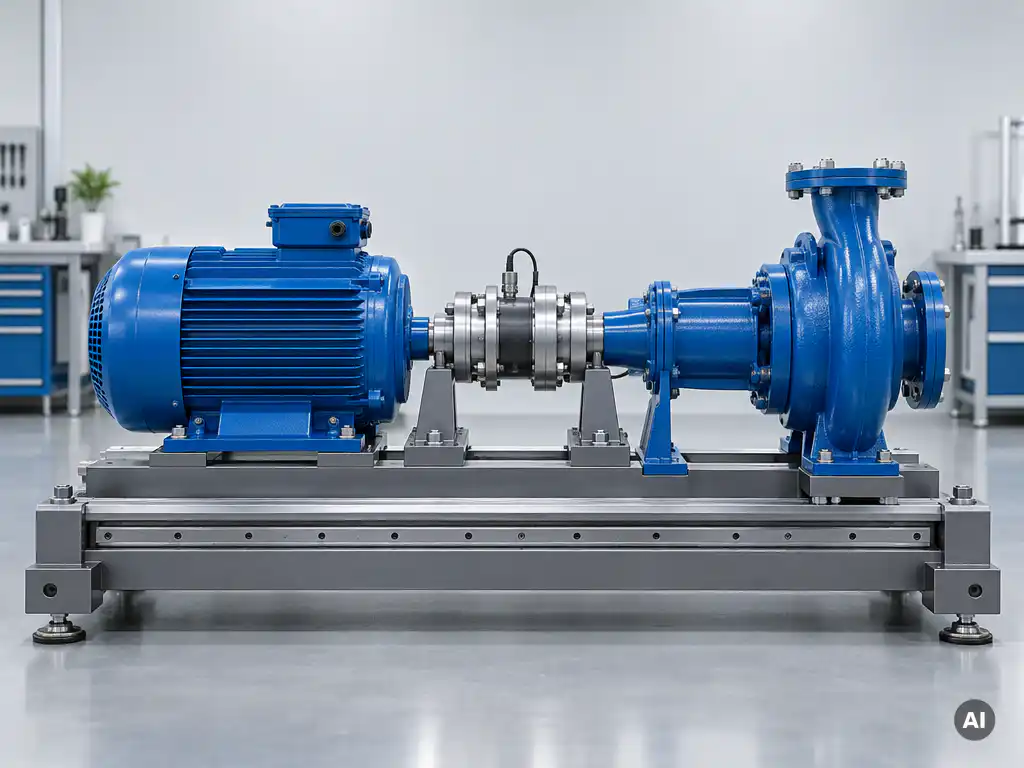
Traditional mechanical couplings pass vibration, shock loads, and misalignment forces directly from the motor to the pump shaft. A magnetic drive transfers torque across an air gap, so those forces are largely damped before they reach the seal. This directly addresses two of the biggest drivers of seal wear: vibration and shaft misalignment.
Magnetic drives can also support speed adjustment, which lets operators match output to actual demand instead of running at full capacity and throttling. Lower operating speeds reduce heat, turbulence, and mechanical load on the seal. The technology does not replace good practice in flushing, selection, and installation, but it removes one of the largest sources of mechanical stress from the system.
When is replacing seals more cost-effective than fixing the cause?
Replacing seals is more cost-effective only when failures are rare, the pump is near the end of its life, or the root cause cannot be fixed economically. If seals fail repeatedly, fixing the cause is almost always cheaper, because repeated replacement adds parts, labor, lost production, and unplanned downtime.
Use these criteria to decide:
- Failure frequency: Multiple failures per year point to a root cause worth solving.
- Downtime cost: If a stopped pump halts production, the true cost of a seal failure far exceeds the part price.
- Remaining asset life: A pump scheduled for retirement may not justify a major upgrade.
- Collateral damage: Recurring failures often damage bearings, shafts, and sleeves, which multiplies repair costs.
- Safety and environment: Leaks of hazardous media raise the stakes beyond simple cost.
A simple rule applies: when the same seal fails more than once for the same reason, the seal is not the problem. Calculate total cost of ownership across a year, including labor, parts, and lost output, before choosing the cheaper-looking option.
How Zytec helps reduce wear on mechanical seals
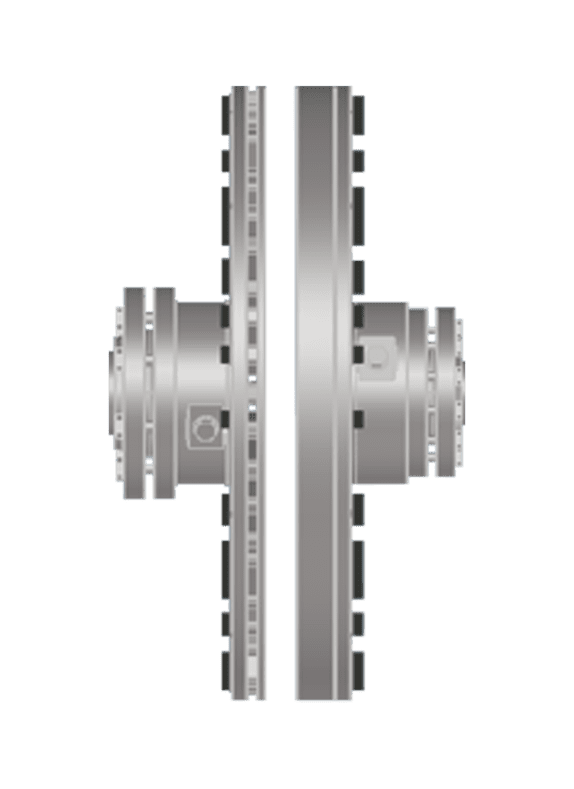
Zytec tackles the root causes of seal wear instead of treating the symptoms. Its non-contact magnetic drives replace the rigid mechanical coupling between motor and driven equipment, so vibration and misalignment forces never reach the seal in the first place. The result is a steadier, longer-lasting installation.
Key benefits for rotating equipment such as pumps, fans, and compressors:
- Vibration reduction up to 80%, which protects seal faces, bearings, and shafts.
- Tolerance for misalignment, removing a major source of uneven seal wear.
- Less maintenance and fewer repairs, with installations that have run maintenance-free for over seven years.
- Energy savings up to 50%, helping most projects reach payback in under 2 years.
- Fewer unplanned stops, so production stays stable and predictable.
Curious which problems this technology can solve in your plant? Explore what Zytec solves, browse the non-contact drive product range, or contact the Zytec team to discuss your seal wear challenges and find the right solution for your application.
Frequently Asked Questions
How do I know if my mechanical seal is failing because of misalignment or vibration?
Look at the wear pattern on the failed seal faces. Misalignment typically produces uneven, one-sided wear or a wear track that is off-center, while vibration often shows chipping, fretting marks, or scattered micro-cracks on hard faces. Confirm your suspicion with a laser alignment check and a vibration analysis (velocity and acceleration spectra) taken at the pump bearings before you install the replacement seal.
How do I get started with a seal reliability program if I have no data on past failures?
Start small: list every pump with a history of seal problems and begin logging each failure with running hours, leak location, and photos of the failed faces. Then add baseline vibration and temperature readings for the worst offenders. After 3 to 6 months, the patterns will show which pumps and root causes deserve priority for alignment correction, flush plan fixes, or upgrades.
What should I check immediately after installing a new mechanical seal?
Verify that the seal is properly vented and primed so it never starts dry, and confirm that the flush line is open and delivering fluid at the right pressure. Rotate the shaft by hand to check for rubbing, then monitor leakage, temperature, and vibration during the first hours of operation. A small amount of leakage during run-in can be normal, but persistent or increasing leakage points to an installation error.
What are the most common mistakes people make when installing mechanical seals?
Frequent errors include touching or scratching the lapped seal faces, using damaged or incompatible O-rings, setting the wrong spring compression, and skipping a shaft runout or alignment check. Installing a seal on a worn shaft sleeve or with dirty components is another classic problem. Using cartridge seals and following the manufacturer's installation checklist removes most of these risks.
Will a magnetic drive solve seal wear if my seal problems come from contaminated process fluid?
Not entirely. A non-contact magnetic drive removes vibration and misalignment forces, but it does not clean the process fluid. If abrasive particles or poor flushing are the main culprit, you should still improve filtration, use a suitable flush plan, or switch to harder faces such as silicon carbide. The best results come from combining a stable drivetrain with correct seal selection.
How often should I check shaft alignment and vibration on pumps with mechanical seals?
Check alignment at installation, after any repair or motor replacement, and again after the first few weeks of operation as foundations and piping settle. For vibration, monthly route-based readings are a good baseline for critical pumps, while continuous monitoring suits equipment where downtime is costly. Increase the frequency whenever you see a rising trend or a repeat seal failure.
Can I extend seal life by running the pump at a lower speed?
Often, yes. Lower speed reduces face heat, turbulence, and mechanical loading, and operating closer to the pump's best efficiency point limits radial loads and shaft deflection. Instead of throttling a valve to reduce flow, adjust speed with a variable speed solution so the seal sees steadier conditions. Always stay within the minimum flow and speed limits specified for both the pump and the seal.