How much does it cost to replace engine bearings?
Engine bearing replacement typically costs between $1,500 and $4,000 at a professional repair shop, depending on the vehicle, the number of bearings being replaced, and local labor rates. The bearings themselves are relatively inexpensive components, often ranging from $20 to $200 in parts. The bulk of the cost is labor, since reaching engine bearings requires extensive disassembly.
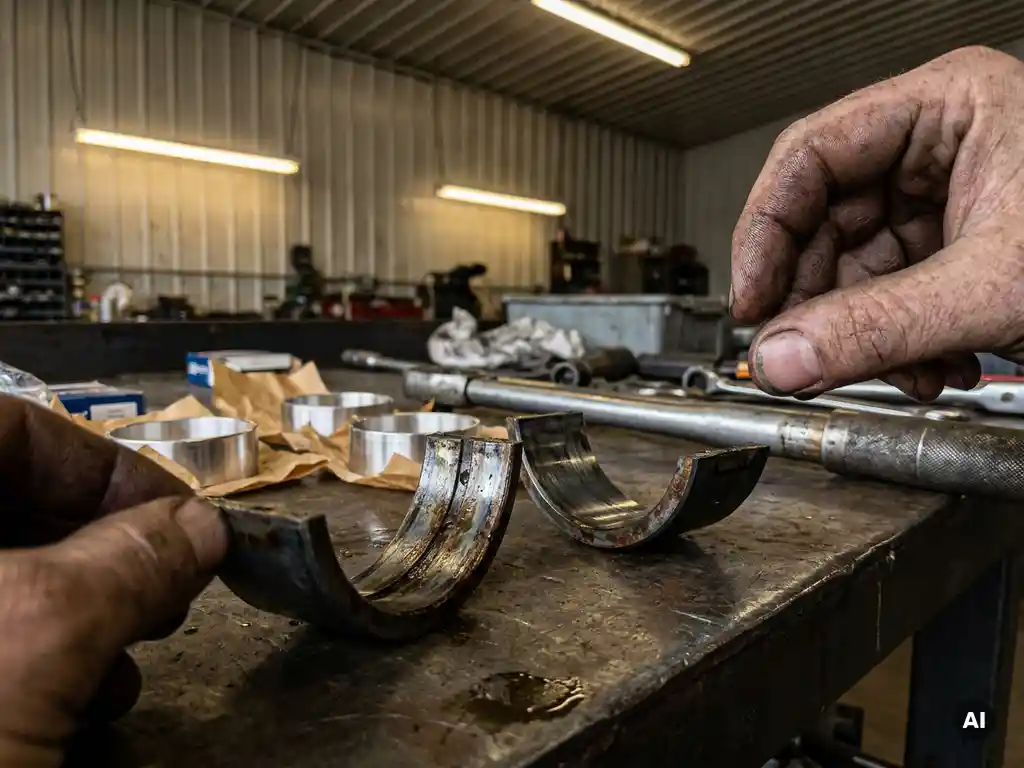
Main bearings, which support the crankshaft, and rod bearings, which connect the connecting rods to the crankshaft, are the two types most commonly replaced. In many cases, a mechanic will recommend replacing both sets at the same time, since the engine is already partially disassembled and doing so adds little extra labor cost relative to the protection it provides.
For high-performance vehicles, luxury cars, or diesel engines with larger displacement, costs can climb significantly higher, sometimes exceeding $5,000 to $7,000 when additional components such as the crankshaft need to be resurfaced or replaced. Older vehicles where parts are harder to source may also see inflated costs due to sourcing delays and specialist labor.
What factors make engine bearing replacement more expensive?
Several variables push engine bearing repair costs well above the baseline estimate. The most significant factors are labor intensity, engine configuration, the condition of surrounding components, and whether the work is done at a dealership or an independent workshop.
- Engine accessibility: Front-wheel-drive engines mounted transversely, or engines sitting low in tight engine bays, require far more disassembly time than straightforward rear-wheel-drive configurations.
- Crankshaft condition: If worn bearings have scored or damaged the crankshaft journals, the crankshaft must be removed and either reground or replaced. Regrinding alone can add $300 to $700 to the bill; a replacement crankshaft costs considerably more.
- Number of cylinders: A six or eight-cylinder engine has more bearings than a four-cylinder, which means more parts and more labor time.
- Dealership versus independent shop: Dealership labor rates in many markets run 20 to 40 percent higher than independent specialists for the same job.
- Engine removal requirement: In some vehicles, the engine must be pulled from the bay entirely before bearings can be accessed, adding several hours of labor.
- Associated wear: Mechanics often discover related damage during disassembly, including worn piston rings, damaged seals, or sludge buildup that requires additional cleaning and repair work.
Getting a detailed written estimate before authorizing work is essential. A reputable workshop will inspect the crankshaft and other internal components before quoting final costs, rather than providing a flat figure that may change once the engine is opened.
What happens if worn engine bearings are not replaced?
Ignoring worn engine bearings leads to progressive and eventually catastrophic engine damage. Bearings are precision components that maintain the oil film separating moving metal surfaces. Once they begin to fail, metal-to-metal contact accelerates wear on the crankshaft, connecting rods, and cylinder block, ultimately leading to engine seizure or a spun bearing that destroys the engine entirely.
The warning signs of failing engine bearings are worth recognizing early. A deep knocking or rumbling noise from the engine, particularly one that changes with engine speed, is the most common indicator. Oil pressure warnings, unusual metal particles in the oil, or excessive oil consumption can also signal bearing deterioration.
The financial consequences of delay are severe. A bearing replacement that costs $2,000 to $4,000 when caught early can escalate into a full engine rebuild or replacement costing $5,000 to $15,000 or more if the crankshaft is destroyed or the block is damaged. In practical terms, every additional hour of operation on a known failing bearing increases the risk of total engine loss.
Beyond cost, there is a safety dimension. Sudden engine seizure at speed can result in loss of vehicle control. For commercial vehicles or fleet equipment, unexpected failure also creates significant operational disruption and liability exposure.
Can engine bearings be replaced without removing the engine?
In some vehicles, engine bearings can be replaced with the engine remaining in the vehicle, but this depends entirely on the engine design and how accessible the oil pan and crankshaft are from below. For many rear-wheel-drive vehicles with conventional engine layouts, a mechanic can drop the oil pan, access the rod and main bearing caps, and replace the bearings without a full engine pull.
However, this approach has limitations. The crankshaft cannot be properly inspected or reground in situ, so if journal surfaces are damaged, the engine will need to come out regardless. Tight engine bays, transverse engine mounts, or subframe designs that block oil pan removal often make in-vehicle bearing replacement impractical or impossible.
Even in cases where in-vehicle replacement is technically feasible, many experienced mechanics prefer to remove the engine to ensure thorough inspection, proper cleaning, and access to all related components. Cutting corners on access during a bearing job risks missing damage that will cause the same failure to recur within a short period.
Is it worth replacing engine bearings or buying a new engine?
Whether engine bearing replacement is worth the cost depends on the overall condition of the engine, the age and value of the vehicle, and the extent of damage already sustained. If the bearings are caught early and the crankshaft is undamaged, bearing replacement is almost always more cost-effective than sourcing a replacement engine.
A useful decision framework considers three scenarios:
- Early-stage bearing wear, undamaged crankshaft: Bearing replacement is strongly justified. The repair cost is a fraction of a replacement engine, and the engine returns to full service life.
- Significant crankshaft damage requiring regrinding or replacement: The repair bill rises substantially. Compare the total repair cost against the market value of the vehicle. If the repair exceeds 50 to 60 percent of the vehicle's value, a replacement engine or a different vehicle may be more rational.
- Spun bearing or seized engine with block damage: At this point, a full rebuild or engine replacement is typically unavoidable. The decision then becomes whether to rebuild the existing engine, source a used engine, or replace the vehicle entirely.
Vehicle age and mileage matter significantly. Investing $3,000 in bearing replacement on a vehicle with 250,000 kilometers and multiple other aging systems may deliver poor value compared to the same repair on a well-maintained vehicle with a solid service history.
How Zytec helps reduce bearing-related costs in industrial rotating equipment
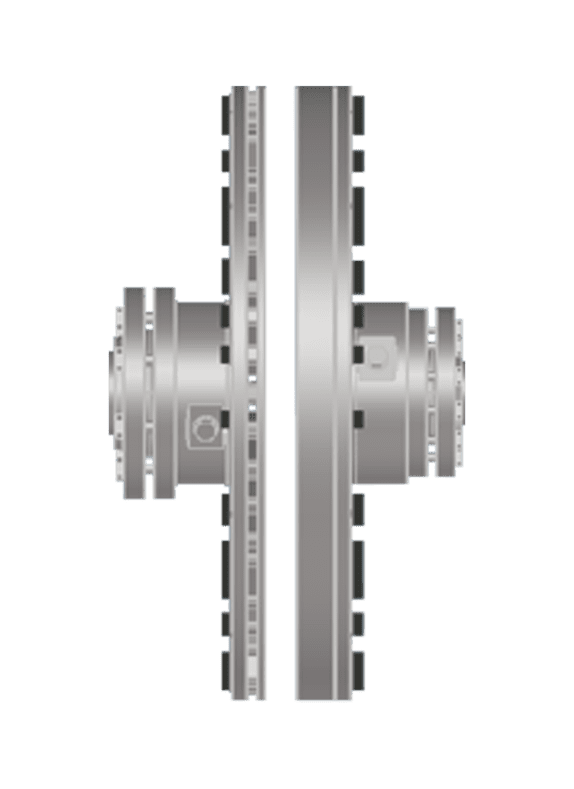
While engine bearing replacement in vehicles is a reactive repair, industrial facilities face a parallel challenge: bearing failures in rotating equipment such as pumps, fans, compressors, and conveyors drive enormous maintenance costs, unplanned downtime, and safety risks. Zytec's non-contact magnetic drives address this problem at the root cause rather than treating the symptom.
Zytec's technology eliminates the mechanical contact and misalignment forces that are responsible for a significant share of bearing and seal failures in industrial drivetrain applications. Key benefits include:
- No coupling-induced bearing loads: Because torque is transmitted magnetically across an air gap, torsional shocks and vibration are not propagated into bearings or seals, extending component service life measurably.
- Misalignment tolerance: Zytec drives accommodate up to 12 mm of radial dynamic misalignment, eliminating the bearing overload that conventional misaligned couplings cause continuously during operation.
- Maintenance-free operation for 20+ years: With no wear components, no lubrication requirements, and no scheduled element replacement, the recurring intervention cycles that expose bearings to human-error-related damage are eliminated.
- Vibration reduction up to 80%: Lower vibration across the drivetrain directly reduces fatigue loading on bearings, seals, and structural interfaces.
- Total cost of ownership reduction up to 50%: Fewer bearing replacements, fewer shutdowns, and lower maintenance labor translate into measurable OPEX savings over the asset lifecycle.
If your facility is dealing with recurring bearing failures in rotating equipment and wants to move from reactive repair to a maintenance-free operational model, contact Zytec to discuss how non-contact drive technology can be applied to your specific installation.
Frequently Asked Questions
How do I know if my engine bearings are failing before serious damage occurs?
The earliest and most reliable warning sign is a rhythmic knocking or rumbling noise from the lower engine, often described as a 'rod knock,' that increases in frequency with engine RPM. You should also watch for a sudden drop in oil pressure indicated on your dashboard gauge or warning light, unusual metallic particles visible when you drain the oil, or a gritty texture when rubbing used oil between your fingers. If you notice any of these signs, stop driving the vehicle and have it inspected immediately — continuing to operate the engine dramatically increases the risk of total engine loss.
Can I drive my car to the repair shop if I suspect bearing failure, or should I have it towed?
In most cases, towing is the safer and more economical choice. If bearing failure has progressed to the point of producing a noticeable knock or triggering an oil pressure warning, even a short drive risks spinning a bearing or seizing the engine entirely, turning a $2,000–$4,000 repair into a $10,000+ engine replacement. If the noise is very mild and you are uncertain, have a mechanic listen to the engine before making the decision — but err firmly on the side of towing if there is any doubt.
What should I ask a mechanic before authorizing engine bearing replacement work?
Request a detailed written estimate that separates parts and labor costs, and specifically ask whether the crankshaft will be inspected and measured for journal wear before a final price is confirmed. Ask whether the engine needs to be fully removed or whether the job can be completed in-vehicle, as this significantly affects labor hours. It is also worth asking whether the mechanic recommends replacing both rod and main bearings in the same service visit, and what warranty they offer on both parts and labor — reputable shops typically provide at least a 12-month or 20,000 km guarantee on internal engine work.
Is it possible to prevent engine bearing failure through regular maintenance?
Yes — consistent oil change intervals are the single most effective preventive measure, as clean oil of the correct viscosity maintains the hydrodynamic film that keeps bearings from making direct metal contact. Using the manufacturer-specified oil grade, avoiding extended idling immediately after cold starts, and addressing oil leaks or consumption promptly all contribute to bearing longevity. Engines that have accumulated sludge from infrequent oil changes are at significantly higher risk of accelerated bearing wear, so catching up on neglected maintenance sooner rather than later is always worthwhile.
Does engine bearing replacement affect my vehicle's resale value, and should I disclose it to a buyer?
A properly documented engine bearing replacement, performed by a reputable workshop, can actually support resale value by demonstrating that a known wear issue was addressed professionally rather than ignored. Full disclosure is both legally required in most jurisdictions and strategically smart — buyers who discover undisclosed major repairs after purchase can pursue legal remedies, and transparency paired with service records is far more reassuring to serious buyers than silence. Keep all invoices, parts receipts, and inspection reports as part of your vehicle's service history file.
How long does engine bearing replacement typically take, and will I need a courtesy vehicle?
A bearing replacement that can be performed with the engine in the vehicle typically takes 1 to 3 days, while jobs requiring a full engine pull can extend to 3 to 5 days or longer if parts need to be ordered or the crankshaft sent out for regrinding. Plan for a minimum of two full business days and confirm the timeline with your workshop upfront. Most independent shops and dealerships can arrange a courtesy car or loaner vehicle, but it is worth requesting this when you book the appointment rather than on the day you drop the car off.
Are aftermarket engine bearings reliable, or should I insist on OEM parts?
High-quality aftermarket bearings from established manufacturers such as King, ACL, or Clevite are widely used by professional engine builders and are generally considered equivalent to or better than OEM parts for standard applications. The key is to avoid low-cost, unbranded bearings sourced from unknown suppliers, as dimensional tolerances and material quality vary significantly at the budget end of the market. For high-performance, turbocharged, or diesel engines operating under elevated loads, discuss bearing specification with your mechanic — in some cases, an upgraded aftermarket bearing with improved fatigue resistance is a better choice than a direct OEM replacement.